
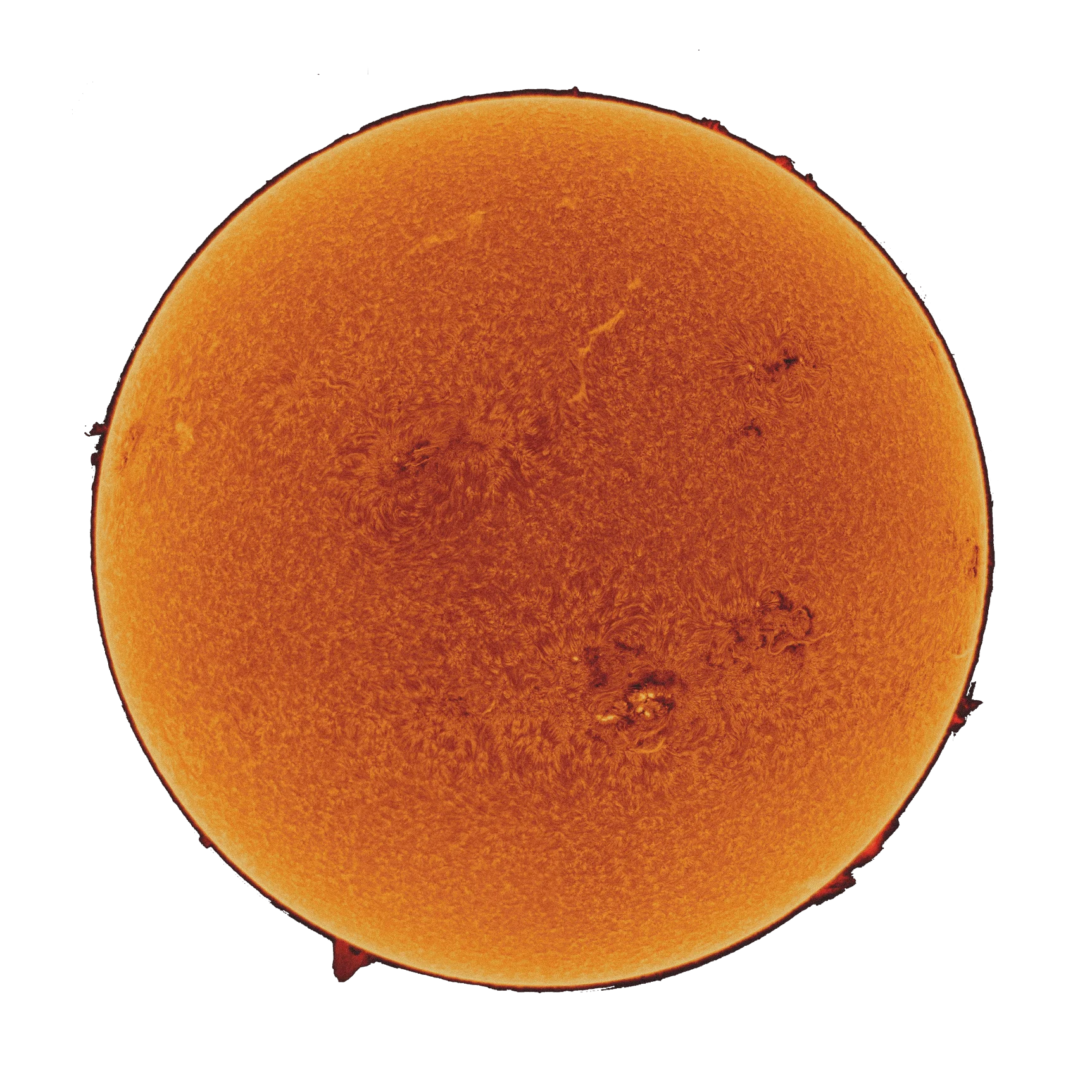
SUN
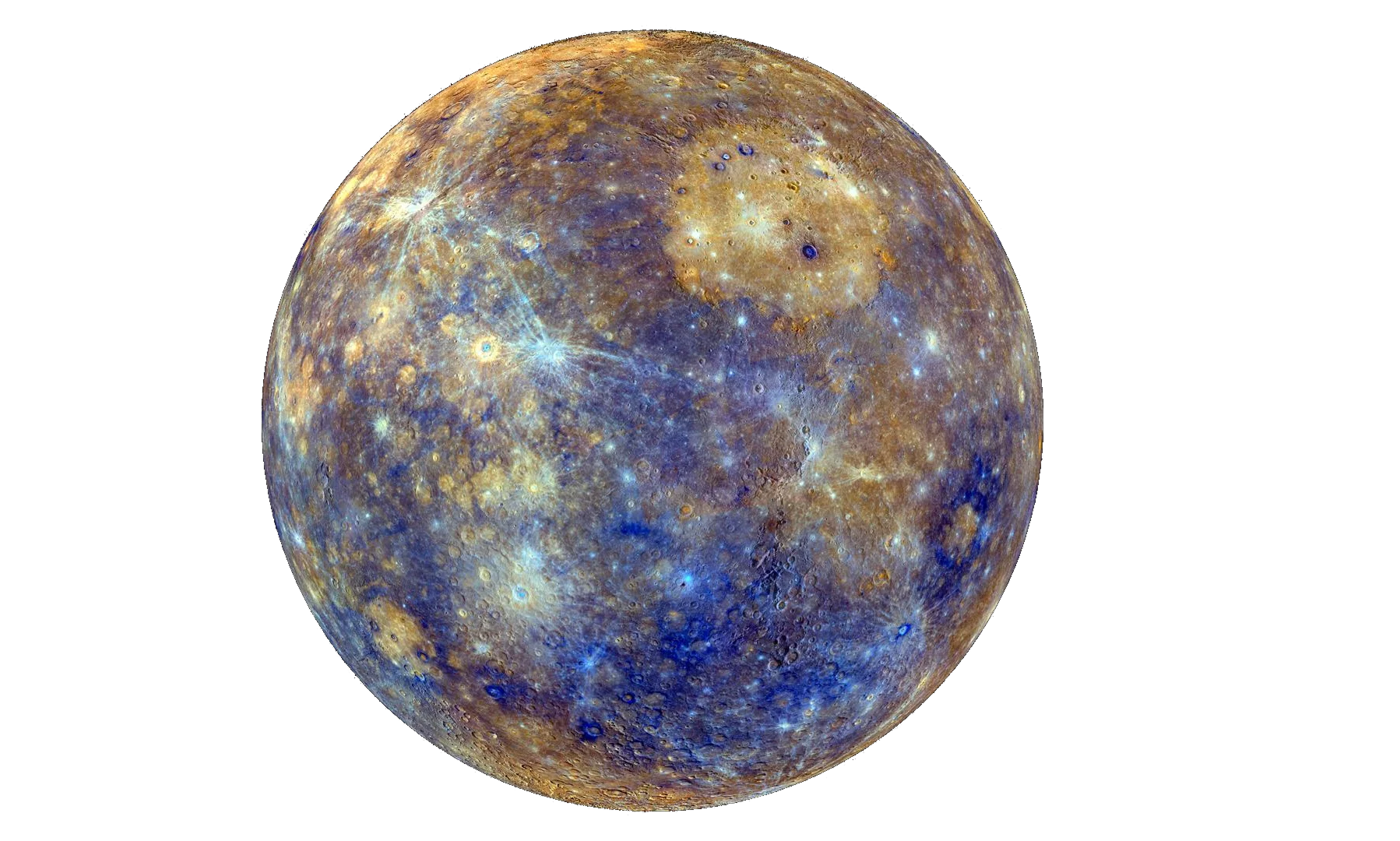
Closest to the Sun lies Mercury — a small, rocky world shaped by extremes. Scorched by intense heat during the day and frozen in darkness at night, it experiences some of the harshest conditions in the Solar System.
Its surface is marked by countless craters, bearing witness to billions of years of cosmic impacts. Though small and often overlooked, Mercury reveals the raw, unforgiving nature of space.
VENUS
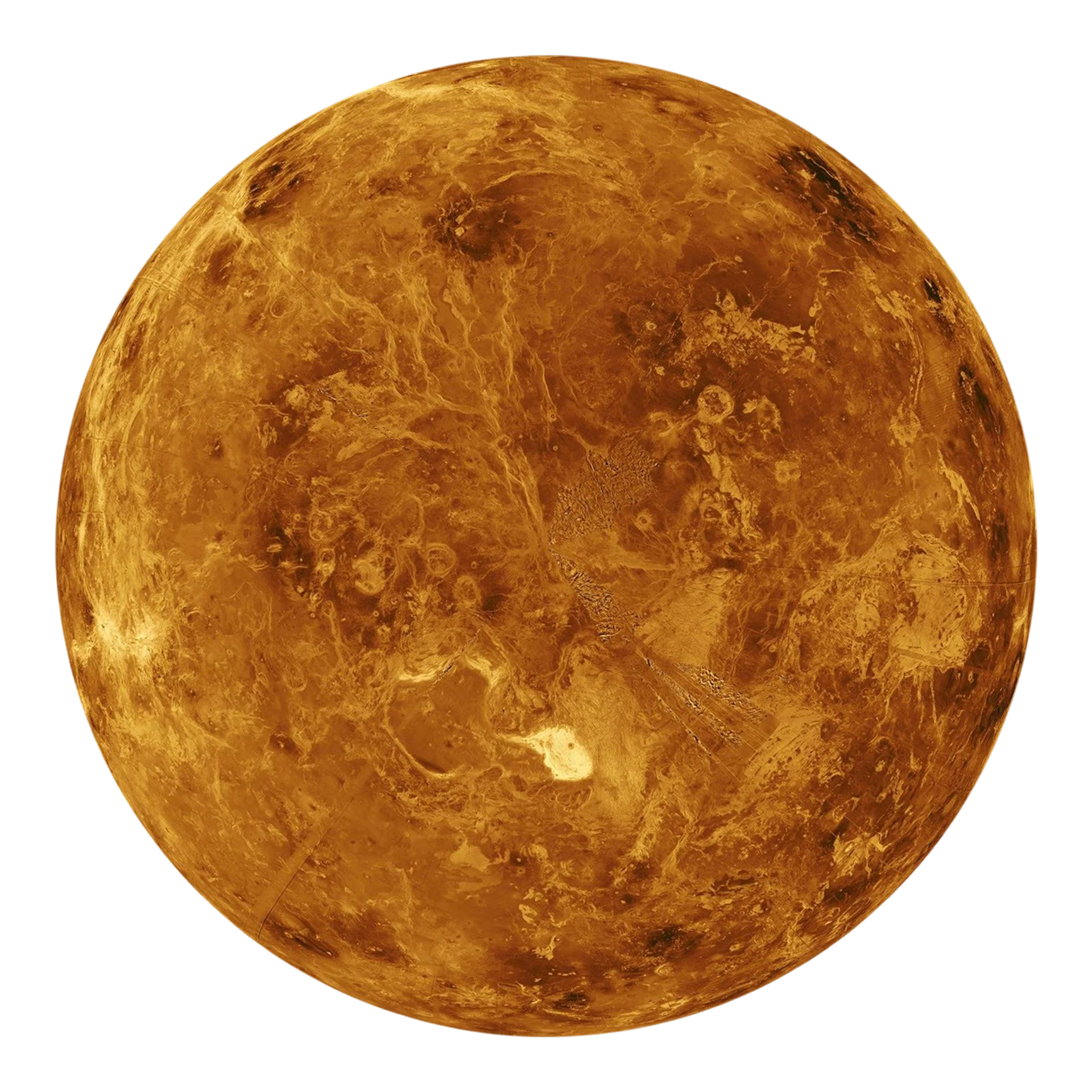
Wrapped in dense sulfur clouds, Venus hides its surface from view. Bright and familiar from Earth, it is anything but gentle.
Runaway greenhouse heat traps the planet beneath crushing air, turning its plains and volcanoes into a sealed furnace. Often called Earth's twin, Venus shows how fragile a habitable world can become when its atmosphere changes.
EARTH
EARTH
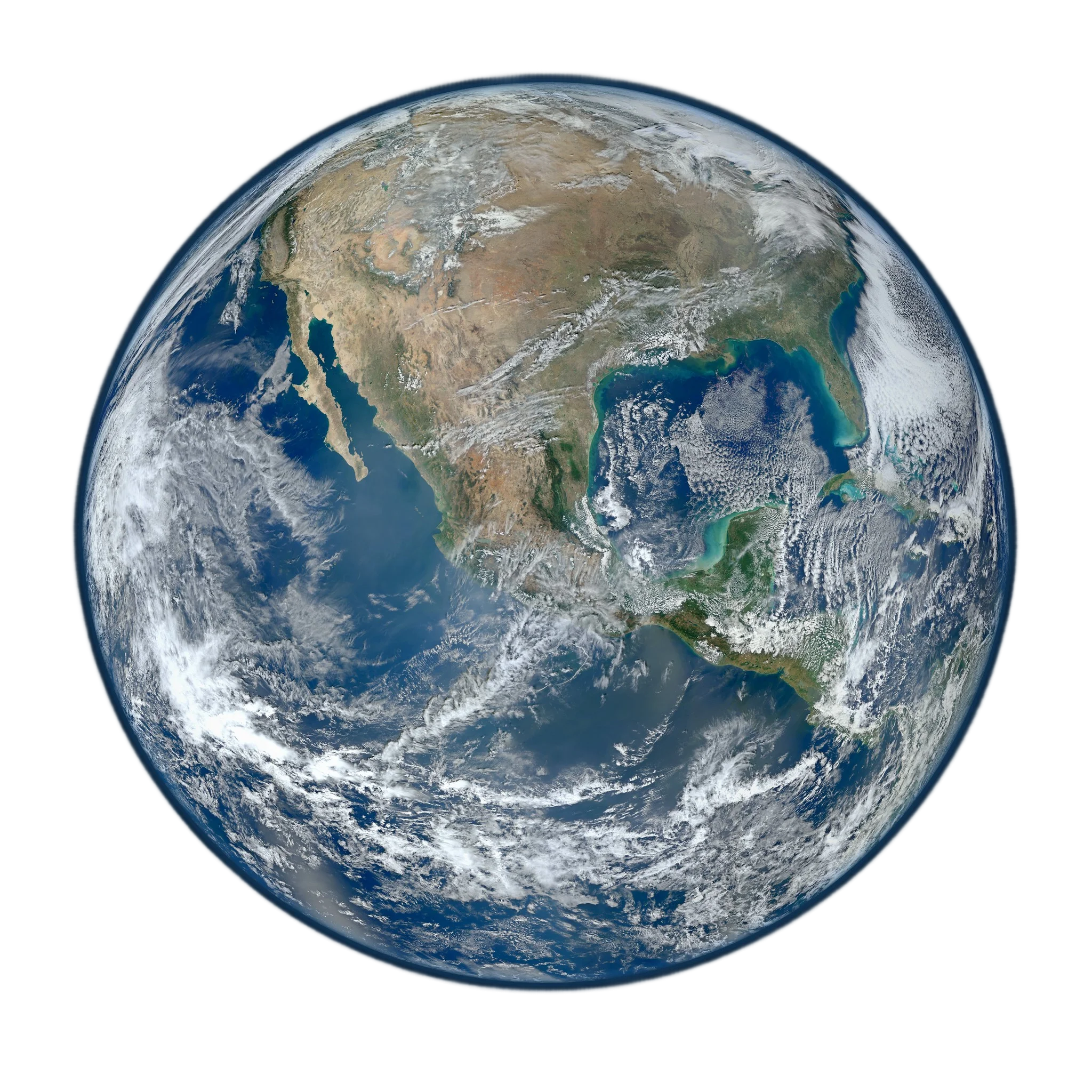
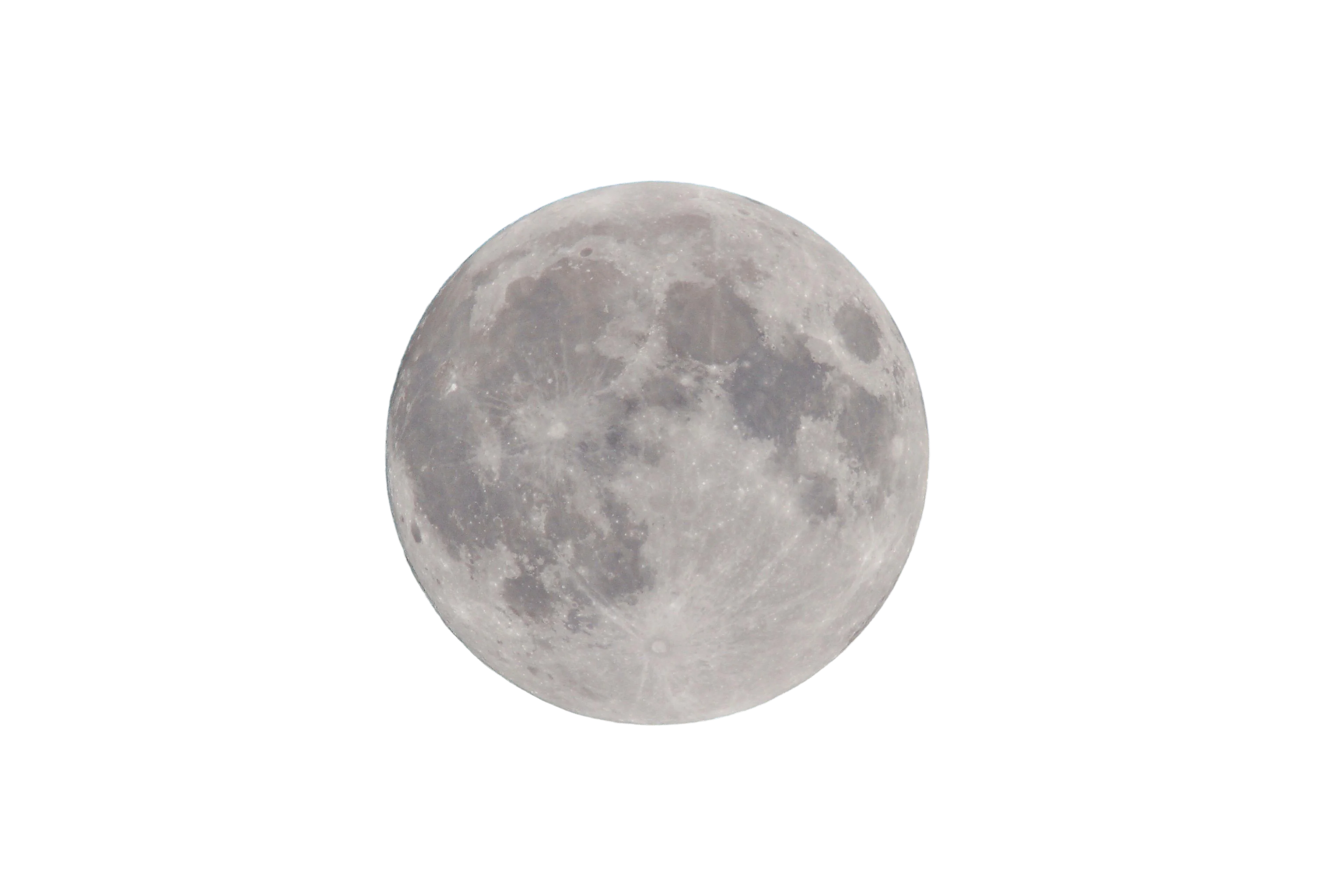
Amid the vast emptiness of space lies Earth — a vibrant world teeming with life. Its oceans, atmosphere, and unique conditions make it the only known planet capable of sustaining life. From afar, it appears as a fragile blue sphere suspended in darkness.
Yet Earth is not eternal. As time passes and conditions inevitably change, humanity will face the need to look beyond its home.
The search for new worlds may one day become not a choice, but a necessity.
MARS
OUR
NEW HOME
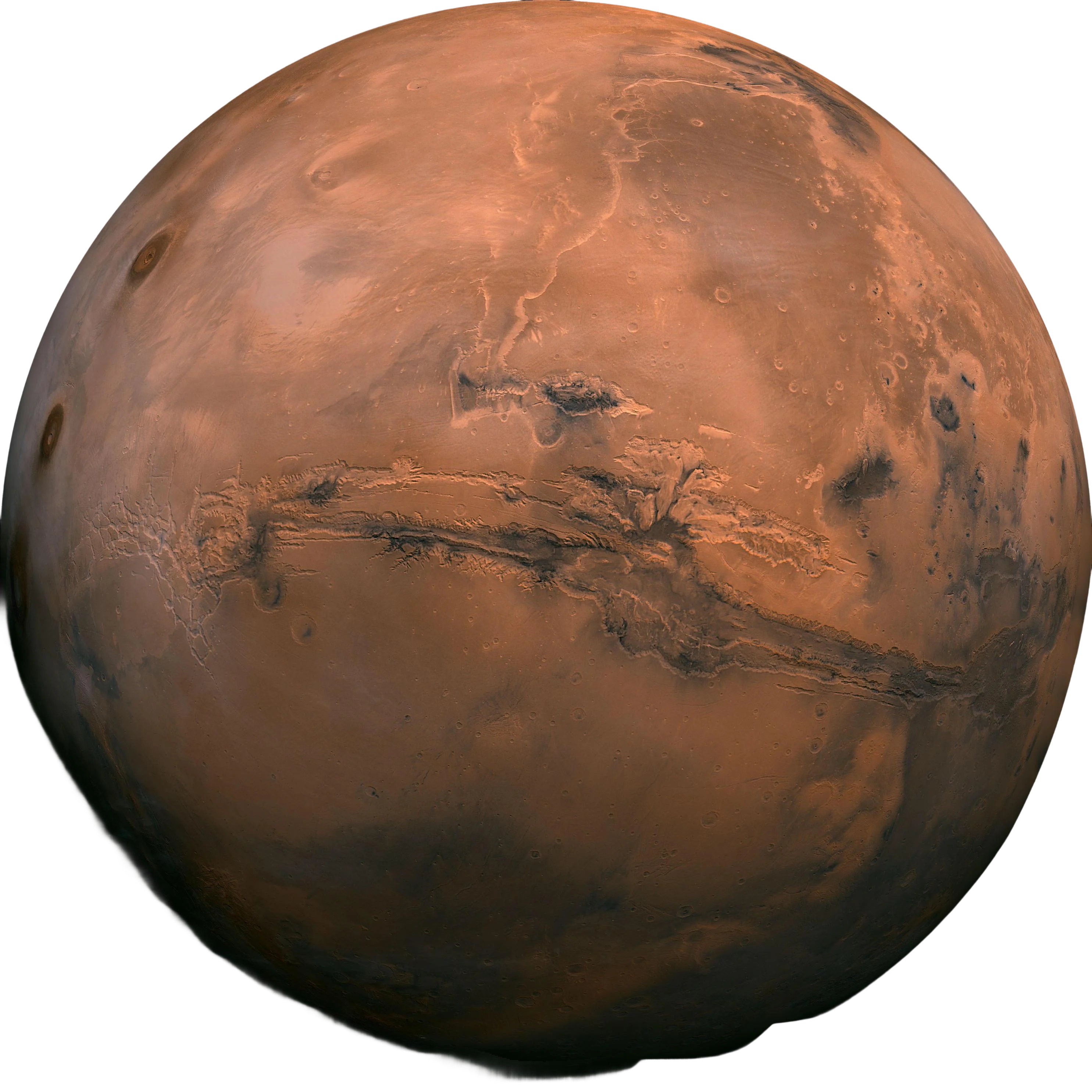
Bathed in a cold, reddish glow, Mars stands as a silent and distant world on the edge of possibility. Its barren landscapes, carved by ancient rivers and vast canyons, hint at a past that may once have been warmer and wetter.
Today, it endures harsh conditions — thin atmosphere, extreme temperatures, and relentless radiation shaping its desolate surface. Yet among all the planets, Mars remains the most promising candidate for future exploration and human settlement.
It is not merely a symbol of mystery, but a potential next step in humanity's journey beyond Earth.
COLONIZE
MARS
Humanity's next chapter begins with a single step beyond Earth. Join the mission to make Mars our second home.